
Scalp Health 101: The Foundation of Hair Growth

Executive Overview
Healthy hair growth does not begin with length, styling, or products alone. It begins at the scalp. The scalp is living tissue, biologically active, and directly responsible for follicle performance, strand strength, and growth consistency. When scalp health is compromised, hair growth slows, shedding increases, and breakage becomes inevitable regardless of the products used downstream.
This guide provides a science-aligned, practical framework for understanding scalp health, identifying common scalp issues, and implementing a sustainable routine that supports long-term hair growth.
What Is Scalp Health and Why It Matters
The scalp functions as the environment in which hair follicles operate. Each follicle relies on adequate blood flow, oxygenation, balanced sebum production, and a low-inflammatory state to produce strong, continuous hair growth.
When the scalp is healthy:
- Follicles remain unobstructed
- Growth cycles proceed normally
- Hair strands emerge stronger and more resilient
When the scalp is unhealthy:
- Follicles become congested or inflamed
- Growth phases shorten
- Hair becomes thin, brittle, or sheds prematurely
In short, hair growth outcomes are a direct reflection of scalp conditions.
Common Scalp Issues That Disrupt Hair Growth
1. Product Buildup
Excess oils, butters, styling products, and silicones can accumulate at the scalp, forming a barrier that blocks follicles and reduces oxygen flow.
Impact: Slower growth, dull strands, increased shedding.
2. Dry or Dehydrated Scalp
A dry scalp lacks sufficient moisture, often due to infrequent cleansing, harsh shampoos, or environmental factors.
Impact: Flaking, itchiness, inflammation, weakened follicles.
3. Excess Oil and Congestion
Overproduction of sebum can trap debris and microbes around follicles.
Impact: Clogged pores, follicular stress, disrupted growth cycles.
4. Scalp Inflammation
Stress, poor product compatibility, and microbial imbalance can trigger low-grade inflammation.
Impact: Increased shedding, thinning edges, fragile regrowth.
The Hair Growth Cycle and the Role of the Scalp
Hair grows in three primary phases:
- Anagen (Growth Phase): Active hair production
- Catagen (Transition Phase): Follicle regression
- Telogen (Resting Phase): Shedding and renewal
A compromised scalp shortens the anagen phase and pushes follicles prematurely into shedding. A balanced scalp supports longer growth phases and healthier regrowth.
Key Elements of a Healthy Scalp Routine
1. Consistent Cleansing
Cleansing removes buildup, excess oil, and environmental debris.
Best Practice: Cleanse the scalp every 7 to 14 days depending on activity level, product use, and scalp condition.
2. Gentle Exfoliation
Exfoliation clears dead skin cells and supports follicle access.
Best Practice: Use a mild scalp exfoliant once or twice per month, avoiding abrasive methods.
3. Hydration and Moisture Balance
A hydrated scalp maintains elasticity and barrier function.
Best Practice: Apply lightweight, water-based or botanical-infused scalp treatments rather than heavy greases.
4. Scalp Stimulation
 Massage increases blood flow and nutrient delivery to follicles.
Best Practice: Massage the scalp for 3 to 5 minutes several times per week using fingertips or a soft scalp tool.
Scalp health improves when formulations support microbiome balance and reduce irritation.
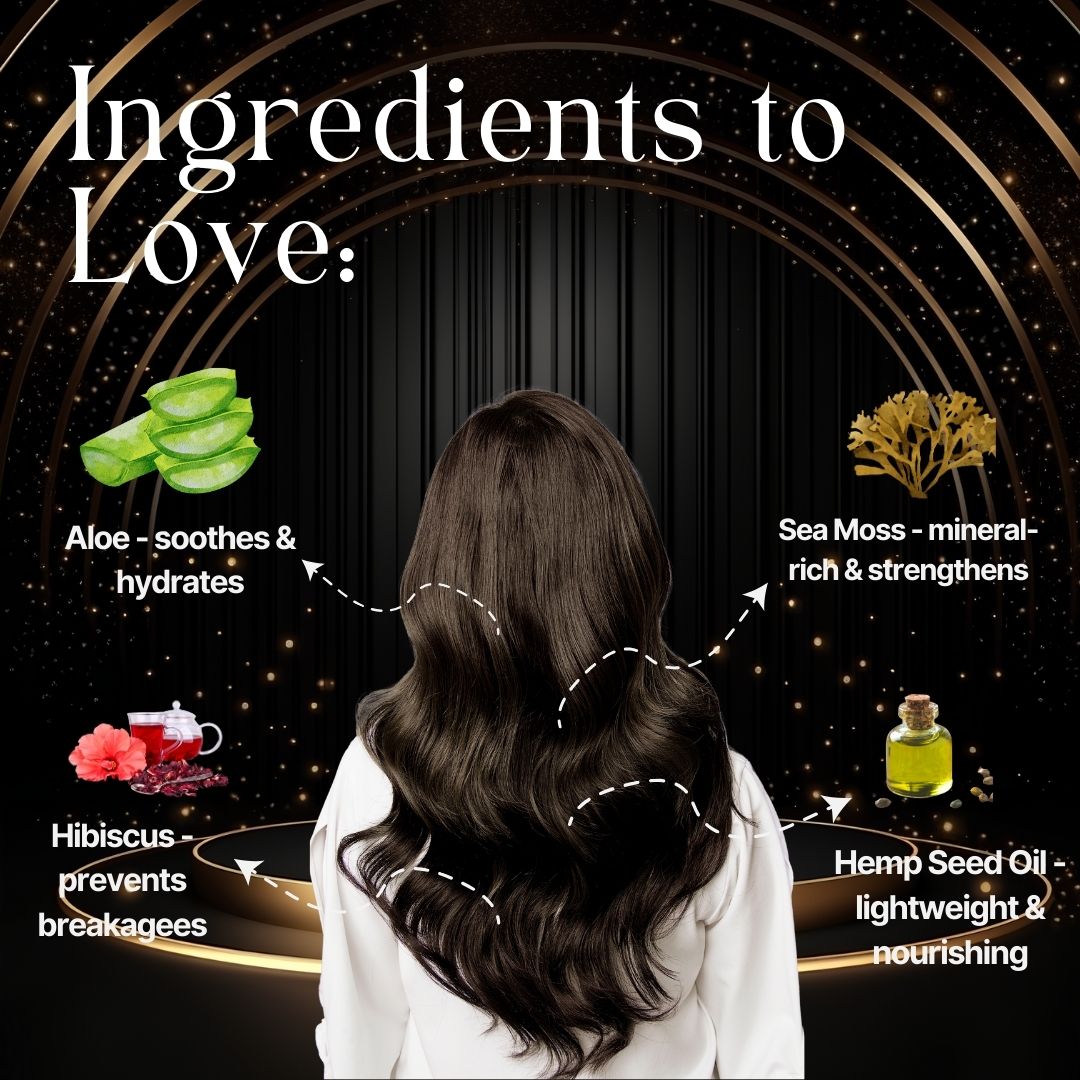
Look for: Aloe vera, niacinamide, panthenol, rosemary, tea tree in low concentrations, caffeine, peptides. Learn more..
Limit: Heavy waxes, excessive fragrance, drying alcohols.
Signs Your Scalp Is Improving
- Reduced itching or flaking
- Less shedding during wash days
- Improved moisture retention
- Stronger, fuller regrowth at the roots
Scalp improvements often appear before visible length changes. Consistency is critical.
How Scalp Health Supports Long-Term Hair Growth
Scalp care is not a quick fix. It is a system-level investment. When the scalp is supported over time, hair growth becomes more predictable, retention improves, and styling becomes easier with fewer corrective interventions required.
This is why growth-focused hair systems prioritize scalp health as Step One, not an afterthought.
Final Takeaway
If hair growth is the goal, scalp health is the strategy. Length, volume, and retention are downstream outcomes of what happens at the follicular level. By shifting focus from surface-level styling to scalp-first care, sustainable growth becomes achievable rather than aspirational.
A healthy scalp does not guarantee overnight results, but it does create the conditions where growth can finally thrive.