
Ingredients to Look for in Skincare for Sensitive and Eczema-Prone Skin

A formulation-first guide to calm, resilient skin
Why Ingredients Matter More Than Marketing
If you have sensitive or eczema-prone skin, you have likely learned this the hard way: not all skincare labeled “gentle,” “natural,” or “clean” actually feels gentle on your skin.
This is not your fault.
Sensitive skin does not react to claims or trends. It reacts to ingredient function, concentration, and formulation balance. What calms one person’s skin may quietly trigger another’s.
Understanding which ingredients truly support sensitive and eczema-prone skin can reduce trial and error and help your skin finally settle.
What Sensitive and Eczema-Prone Skin Actually Needs
From a skin biology standpoint, eczema-prone skin is dealing with three primary challenges:
- A weakened skin barrier
- Increased water loss
- Heightened inflammatory response
The most supportive ingredients address these issues by:
- Reinforcing the barrier
- Reducing irritation and immune signaling
- Helping the skin retain moisture more effectively
This is why ingredient selection matters more than how many products you use.
Barrier-Supporting Ingredients to Look For
The skin barrier is lipid-based, so ingredients that replenish lipids play a foundational role in sensitive-skin care.
Examples include:
- Shea butter
- Sunflower seed oil
- Jojoba oil
These ingredients help reduce moisture loss and support skin flexibility without overwhelming compromised skin.
If your skin feels tight even after moisturizing, lipid support is often missing.
Colloidal Oat and Oat-Derived Ingredients
Oat-based ingredients are well-documented in dermatology literature for their ability to:
- Calm irritation
- Reduce itching
- Support barrier recovery
They work by soothing inflammatory pathways while reinforcing the skin’s protective function.
For eczema-prone skin, oats often provide relief without sensory overload.
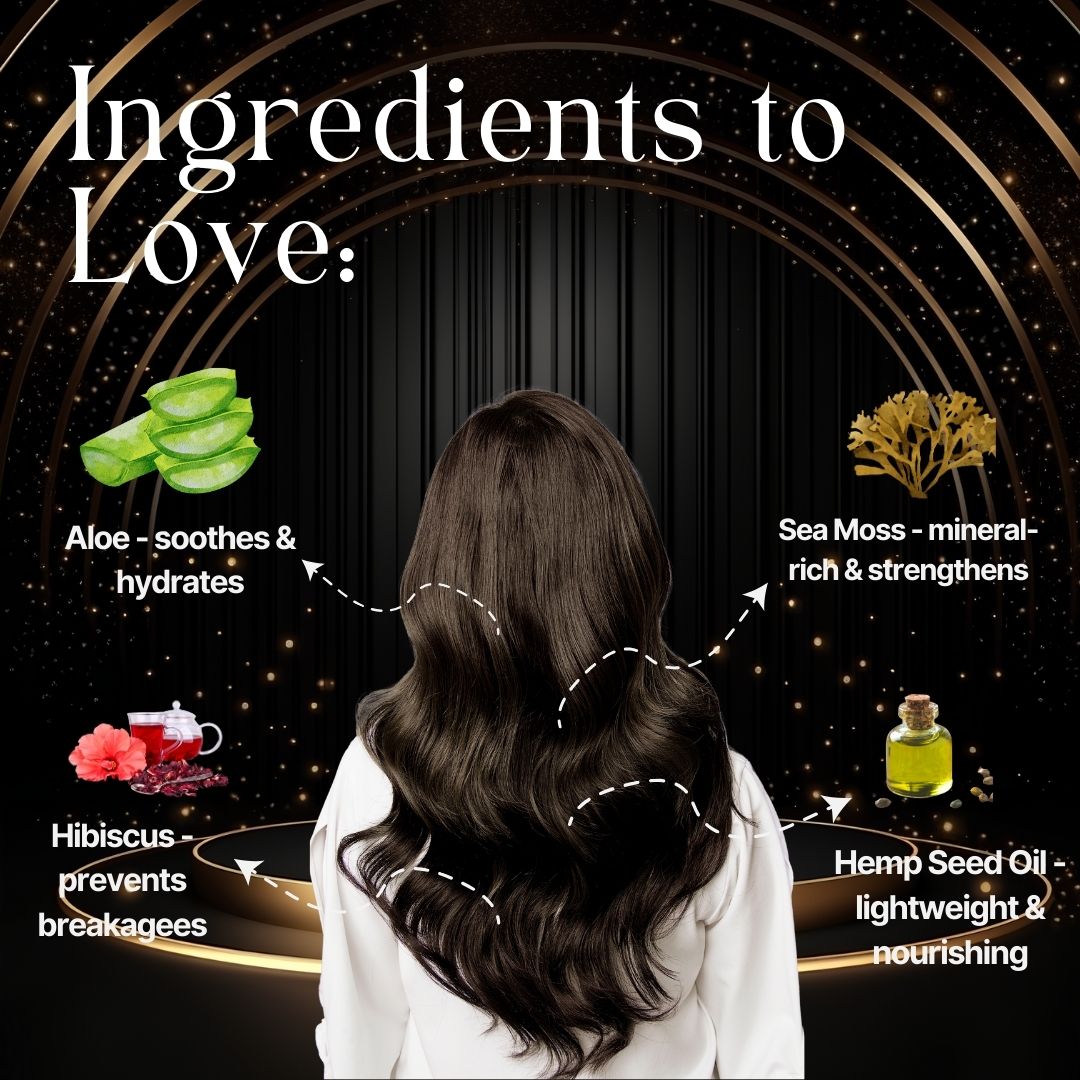
Aloe Vera and Botanical Soothers
Aloe is frequently underestimated because it feels lightweight, but its value lies in its ability to:
- Hydrate gently
- Calm inflamed skin
- Support the skin’s natural repair processes
When used as part of a balanced formula, aloe helps reduce discomfort without triggering sensitivity.
Botanical ingredients such as calendula and chamomile can offer similar calming benefits when used thoughtfully and at appropriate concentrations.
Occlusive Ingredients That Prevent Water Loss
Sensitive skin benefits greatly from ingredients that reduce transepidermal water loss, especially during flare-ups.
Occlusive ingredients help by forming a protective layer on the skin’s surface. Examples include:
- Natural waxes
- Balm-based formulations
- Butter-rich creams
For eczema-prone skin, occlusives are not heavy for the sake of heaviness. They are protective by design.
This is why balms often perform better than lotions during active irritation.
Ingredients That Can Quietly Worsen Sensitivity
Knowing what to avoid is just as important as knowing what to include.
Fragrance (Including Some Essential Oils)
Fragrance is one of the most common triggers for sensitive and eczema-prone skin. Even natural fragrance components can activate irritation pathways.
If your skin reacts unpredictably, fragrance may be contributing even if the product otherwise feels gentle.
Harsh Surfactants and Cleansers
Cleansers that strip oils too aggressively can worsen barrier damage. This includes products that leave the skin feeling squeaky or tight.
For sensitive skin, cleansing should feel calming, not clarifying.
Overuse of Actives
Ingredients like exfoliating acids and retinoids are often introduced with good intentions. However, for compromised skin, too many actives can delay healing rather than support it.
If your skin feels worse after “upgrading” your routine, this response makes sense biologically.
Why Formulation Matters More Than the Ingredient List
An ingredient alone does not determine how a product performs. Concentration, compatibility, and delivery system all influence how the skin responds.
From a formulation perspective, effective sensitive-skin products are:
- Purposefully simple
- Balanced in texture and function
- Designed to reduce cumulative irritation
This is why two products with similar ingredients can behave very differently on the skin.
Sensitive skin responds best to formulations that are intentional, not excessive.
How to Use Ingredients Consistently for Better Results
Consistency matters more than frequency. Switching products often or layering too many ingredients can keep the skin in a constant state of adjustment.
Improvement typically looks like:
- Fewer flare-ups
- Less itching and redness
- Skin that recovers faster after stress
If your skin feels calmer week over week, the ingredients are doing their job.
Final Thoughts: Choosing Ingredients With Confidence
Sensitive and eczema-prone skin does not need constant correction. It needs support, protection, and patience.
When ingredients are chosen based on skin biology rather than trends, the skin often responds with improved comfort and resilience over time.
Skincare does not need to be aggressive to be effective. Sometimes, the most powerful formulas are the ones that quietly allow the skin to heal.